
BEST SEO EXPERT

In 2026, digital marketing has become one of the most powerful tools for business growth. As more people spend time online, businesses must establish a strong digital presence to reach their target audience, build brand awareness, and increase sales.
Whether it is a small local business or a large company, digital marketing provides cost effective ways to connect with potential customers and stay competitive in a rapidly evolving market.
What is Digital Marketing?
Digital marketing refers to promoting products, services, or brands through online channels such as search engines, social media platforms, websites, email, and online advertisements. Unlike traditional marketing, digital marketing allows businesses to target specific audiences, track performance, and adjust strategies in real time.
Why Digital Marketing Matters in 2026
- Increased Online Presence
Most consumers search online before making a purchase decision. A strong digital presence helps businesses appear where customers are looking, increasing visibility and credibility.
- Cost-Effective Marketing
Digital marketing is more affordable than traditional advertising methods. Businesses can reach a larger audience while controlling their marketing budget through targeted campaigns.
- Better Customer Engagement
Social media platforms, email marketing, and websites allow businesses to communicate directly with customers, answer questions, and build lasting relationships.
- Data-Driven Decisions
Digital marketing tools provide valuable insights into customer behavior, campaign performance, and market trends. These insights help businesses make informed decisions and improve results.
- Global Reach
Businesses can reach customers beyond their local area and expand into national or international markets through digital channels.
Key Digital Marketing Strategies for Business Growth
Search Engine Optimization (SEO)
SEO stands for search engine optimization. It is the practice of improving your website’s content, structure, and visibility to rank higher on search engines like Google.
SEO is essential for. When potential customers search for products or services, businesses with strong SEO strategies are more likely to appear in search results.
Benefits of SEO include:
Increased website traffic
Higher brand visibility
Better user experience
Long-term growth opportunities
Increased credibility and trust
Social Media Marketing
Social media platforms have become essential marketing channels. Businesses use platforms like Instagram, Facebook, LinkedIn, and TikTok to engage with audiences and promote their products or services.
Benefits of social media marketing:
Increased brand awareness
Stronger customer relationships
Better audience engagement
Lead generation opportunities
Improved customer loyalty
Content Marketing
Content marketing is the strategic creation and distribution of valuable, relevant content to attract, engage, and retain a clearly defined audience with the ultimate goal of driving profitable customer action. Blog posts, videos, infographics, and guides help businesses educate their audience while building trust.
Benefits include:
Improved SEO performance
Higher website traffic
Better customer engagement
Increased authority in the industry
Enhanced brand reputation
Email Marketing
Email marketing remains one of the most effective digital marketing strategies in 2026. Businesses can send personalized messages, promotions, and updates directly to customers.
Benefits include:
High return on investment
Improved customer retention
Personalized communication
Increased conversions
Stronger customer relationships
Pay-Per-Click (PPC) Advertising
PPC advertising allows businesses to display ads on search engines and social media platforms. Advertisers only pay when users click on their ads.
Benefits include:
Immediate visibility
Targeted audience reach
Fast lead generation
Measurable results
Greater control over advertising budgets
Web Development and User Experience
A professional website serves as the foundation of any digital marketing strategy. In 2026, customers expect websites to be fast, mobile-friendly, secure, and easy to navigate.
A well-designed website can:
Increase customer trust
Improve conversion rates
Enhance user experience
Support SEO efforts
Strengthen brand identity
Emerging Digital Marketing Trends in 2026
Artificial Intelligence (AI)
AI-powered tools help businesses automate tasks, analyze data, and personalize customer experiences more effectively than ever before.
Voice Search Optimization
With the growing use of voice assistants, businesses must optimize content for voice search queries to remain visible online.
Video Marketing
Short-form videos continue to dominate online engagement. Businesses use video content to educate, entertain, and connect with audiences.
Personalization
Customers expect personalized experiences. Businesses that tailor content, recommendations, and communications to individual preferences often achieve better results.
Automation
Marketing automation tools help streamline repetitive tasks such as email campaigns, customer follow-ups, and social media scheduling, improving efficiency and productivity.
Benefits of Digital Marketing for Businesses
Increased brand awareness
Higher website traffic
Better lead generation
Improved customer engagement
Greater customer loyalty
Enhanced online reputation
Better return on investment
Measurable marketing performance
Increased sales and revenue
Sustainable business growth
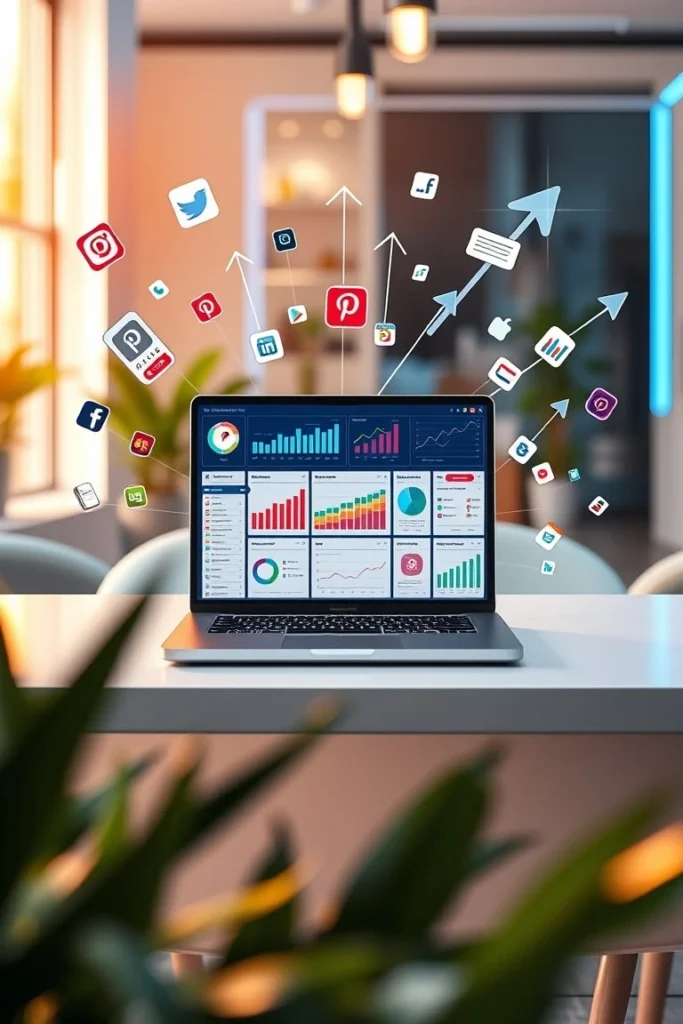
Digital marketing plays a vital role in helping businesses attract customers, increase brand awareness, and drive revenue growth. By implementing the right strategies, businesses can build a strong online presence and stay ahead of the competition.
1. Search Engine Optimization (SEO)
SEO helps improve your website’s visibility on search engines. Higher rankings lead to more organic traffic and potential customers.
Benefits:
- Increased website traffic
- Better search engine rankings
- Higher brand credibility
- Long-term business growth
2. Content Marketing
Creating valuable and informative content helps attract and engage your target audience.
Examples:
- Blog posts
- Articles
- Videos
- Infographics
- Case studies
Benefits:
- Builds trust and authority
- Improves SEO performance
- Generates quality leads
3. Social Media Marketing
Social media platforms help businesses connect directly with customers and build strong relationships.
Benefits:
- Increased brand awareness
- Higher audience engagement
- Improved customer loyalty
- Better lead generation
4. Email Marketing
Email marketing allows businesses to communicate directly with customers through personalized messages and promotions.
Benefits:
- High return on investment
- Better customer retention
- Increased sales and conversions
5. Pay-Per-Click (PPC) Advertising
PPC campaigns help businesses reach targeted audiences quickly through paid advertisements.
Benefits:
- Immediate visibility
- Targeted traffic
- Measurable results
- Faster lead generation
6. Search Engine Marketing (SEM)
SEM combines paid advertising and search engine optimization to maximize online visibility.
Benefits:
- Increased website traffic
- Better brand exposure
- Higher conversion opportunities
7. Video Marketing
Video content is one of the most engaging forms of digital marketing in 2026.
Benefits:
- Higher audience engagement
- Better brand storytelling
- Increased conversion rates
8. Website Development and Optimization
A fast, mobile-friendly, and user-focused website is essential for digital marketing success.
Benefits:
- Improved user experience
- Better search rankings
- Increased conversions
Digital marketing helps businesses create stronger and more meaningful relationships with customers. Through social media, email marketing, and personalized content, brands can communicate directly with their audience and respond to their needs quickly.
Regular interaction builds trust, increases customer satisfaction, and encourages long-term loyalty. By understanding customer preferences and behaviors, businesses can deliver relevant experiences that make customers feel valued and connected to the brand.
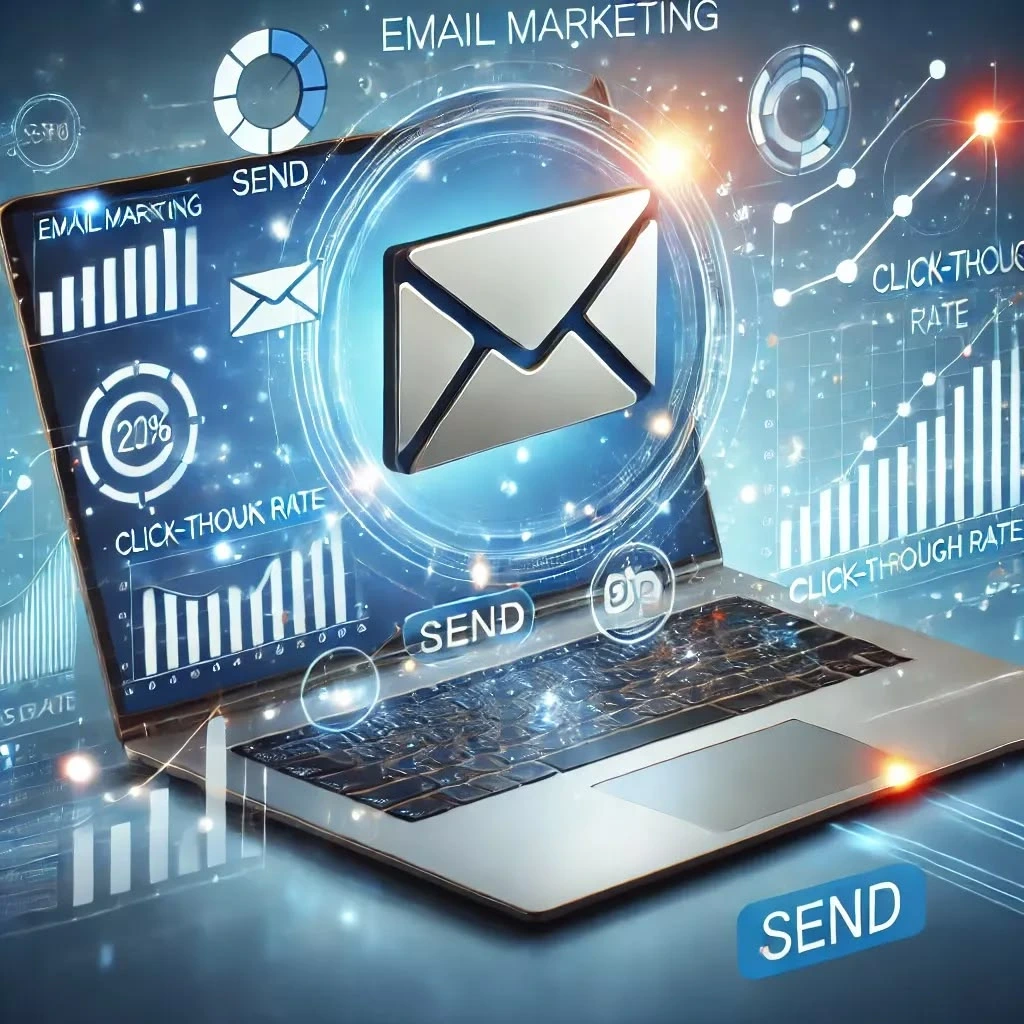
How to Build a Results Driven Digital Marketing Strategy
A successful digital marketing strategy starts with clear goals and a deep understanding of your target audience. Businesses should identify their objectives, such as increasing website traffic, generating leads, or boosting sales.
The next step is selecting the right digital channels, including SEO, social media, content marketing, email marketing, and paid advertising. Creating high-quality content, tracking performance metrics, and continuously optimizing campaigns are essential for achieving measurable results.
A data-driven approach helps businesses maximize their marketing efforts and improve return on investment.
Importance of Website Optimization
A website is often the first interaction potential customers have with a business. Website optimization ensures that visitors enjoy a fast, secure, and user friendly experience.
Optimized websites load quickly, work smoothly on mobile devices, and provide easy navigation. These improvements not only enhance customer satisfaction but also contribute to better search engine rankings.
A well-optimized website can increase engagement, reduce bounce rates, and improve conversion rates, making it a crucial component of digital marketing success.
The Power of Consistency in Digital Marketing
Consistency is one of the most important factors in successful digital marketing. Regularly publishing content, maintaining a consistent brand voice, and engaging with customers help build trust and brand recognition.
Consistent marketing efforts keep businesses visible to their audience and reinforce their message over time. Whether through social media posts, email campaigns, blog articles, or advertisements, a steady and professional presence helps establish credibility and encourages customer loyalty.
Businesses that remain consistent in their marketing activities are more likely to achieve sustainable growth and long-term success.
In today’s competitive marketplace, digital marketing is no longer a luxury for small businesses it is a necessity. As more consumers rely on the internet to discover products, services, and local businesses, having a strong online presence has become essential for growth and success.
Digital marketing provides small businesses with affordable and effective ways to reach their target audience, build brand awareness, and compete with larger companies. One of the biggest advantages of digital marketing is its cost effectiveness.
Unlike traditional advertising methods such as television, radio, or print media, digital marketing allows businesses to reach a highly targeted audience while staying within budget. Small businesses can use search engine optimization (SEO), social media marketing, email campaigns, and online advertising to connect with potential customers at a fraction of the cost of traditional marketing.
Digital marketing also helps businesses increase their visibility online. When customers search for products or services, businesses with an optimized website and active online presence are more likely to appear in search results.
This increased visibility can lead to higher website traffic, more inquiries, and greater sales opportunities. Another important benefit is the ability to engage directly with customers.
Social media platforms, email marketing, and online reviews allow businesses to communicate with their audience, answer questions, gather feedback, and build stronger relationships. These interactions help create trust and encourage customer loyalty.
Additionally, digital marketing provides measurable results. Businesses can track website visits, ad performance, customer engagement, and conversion rates using analytics tools.
This data helps business owners understand what works, make informed decisions, and improve future marketing campaigns. As technology continues to evolve, customer behavior is becoming increasingly digital.
Small businesses that invest in digital marketing today can position themselves for long term success, attract new customers, and stay ahead of competitors. By building a strong online presence and implementing effective marketing strategies, small businesses can achieve sustainable growth in 2026 and beyond.